
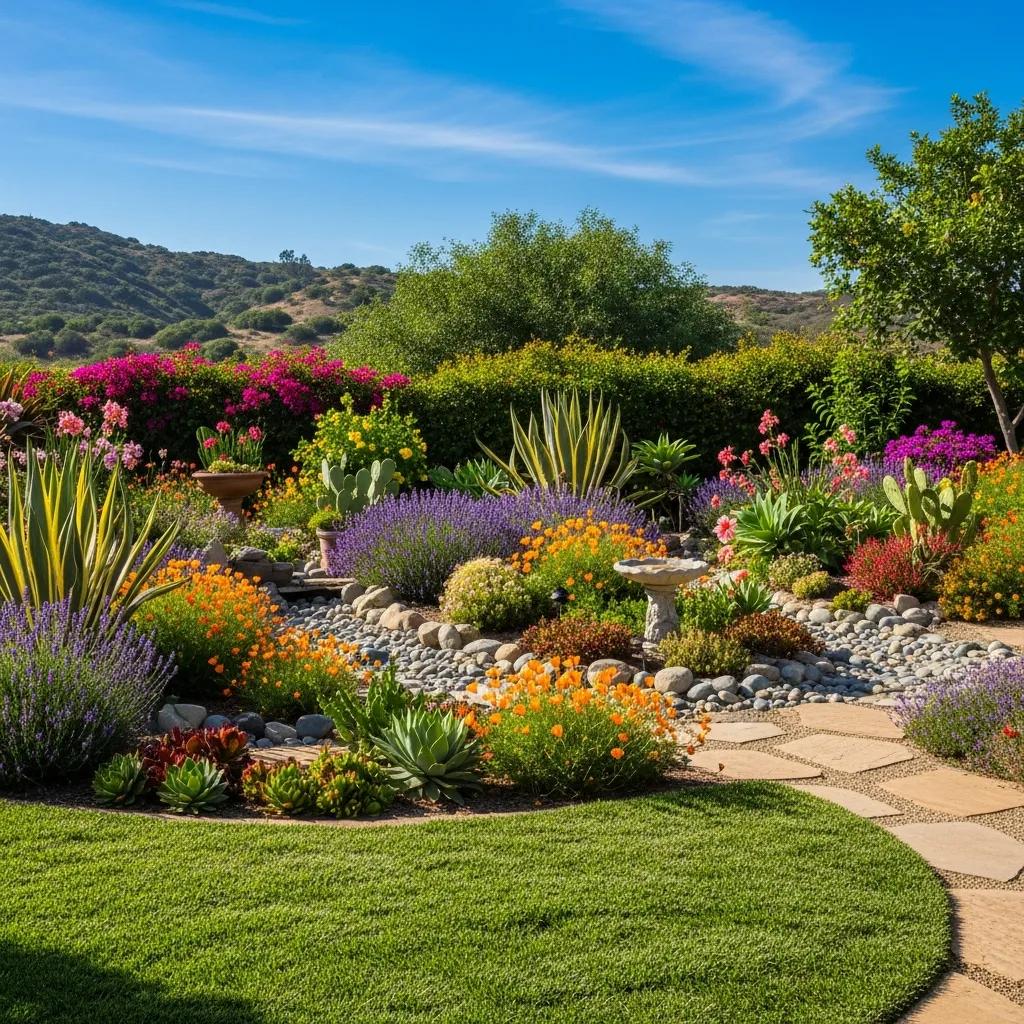
Sustainable Landscaping Orange County: Eco-Friendly Practices for Homeowners
Sustainable landscaping is an essential practice for homeowners in Orange County, where environmental concerns and water conservation are increasingly important. This article will explore various eco-friendly landscaping practices that not only enhance the beauty of outdoor spaces but also contribute positively to the environment. By adopting sustainable landscaping techniques, homeowners can create vibrant gardens that thrive while minimizing their ecological footprint. The following sections will cover the benefits of sustainable landscaping, drought-tolerant plants, water conservation techniques, eco-friendly hardscaping solutions, organic lawn care, and how Roth Landscaping supports these practices in Orange County.
What Are the Key Benefits of Sustainable Landscaping in Orange County?
Sustainable landscaping offers numerous benefits that enhance both the environment and property value. By implementing eco-friendly practices, homeowners can conserve water, reduce maintenance costs, and improve the overall health of their gardens. These practices not only contribute to a more sustainable future but also create beautiful outdoor spaces that can be enjoyed for years to come.
Research further highlights the comprehensive advantages of such programs in fostering environmental quality and conservation.
Sustainable Landscaping Programs for Residential Conservation
Sustainable landscaping programs are voluntary initiatives that recommend a set of practices to improve the environmental quality of urban ecosystems by providing landscaping materials, guidelines, and educational resources. Our goal was to examine the recommendations and outcomes of these programs in the United States and their value for encouraging conservation practices in residential ecosystems. Programs aim to increase native species richness, affordably manage stormwater runoff, and offer residents meaningful experiences with nature.
Sustainable landscaping programs in the United States and their potential to encourage conservation and support ecosystem services, MA Pham, 2022
How Does Sustainable Landscaping Conserve Water and Reduce Costs?
Sustainable landscaping techniques, such as xeriscaping and the use of drought-tolerant plants, significantly reduce water consumption. By selecting native plants that require less irrigation, homeowners can lower their water bills while maintaining a lush garden. Additionally, implementing efficient irrigation systems, like drip irrigation, minimizes water waste and ensures that plants receive the necessary moisture without overwatering.
In What Ways Does Eco-Friendly Landscaping Enhance Property Value and Local Ecosystems?
Eco-friendly landscaping not only boosts curb appeal but also enhances property value. Homes with well-designed sustainable landscapes are often more attractive to potential buyers. Furthermore, these practices support local ecosystems by providing habitats for wildlife and promoting biodiversity. By choosing native plants and creating diverse landscapes, homeowners can contribute to the health of their local environment.
Which Drought-Tolerant Plants Thrive in Orange County Landscapes?
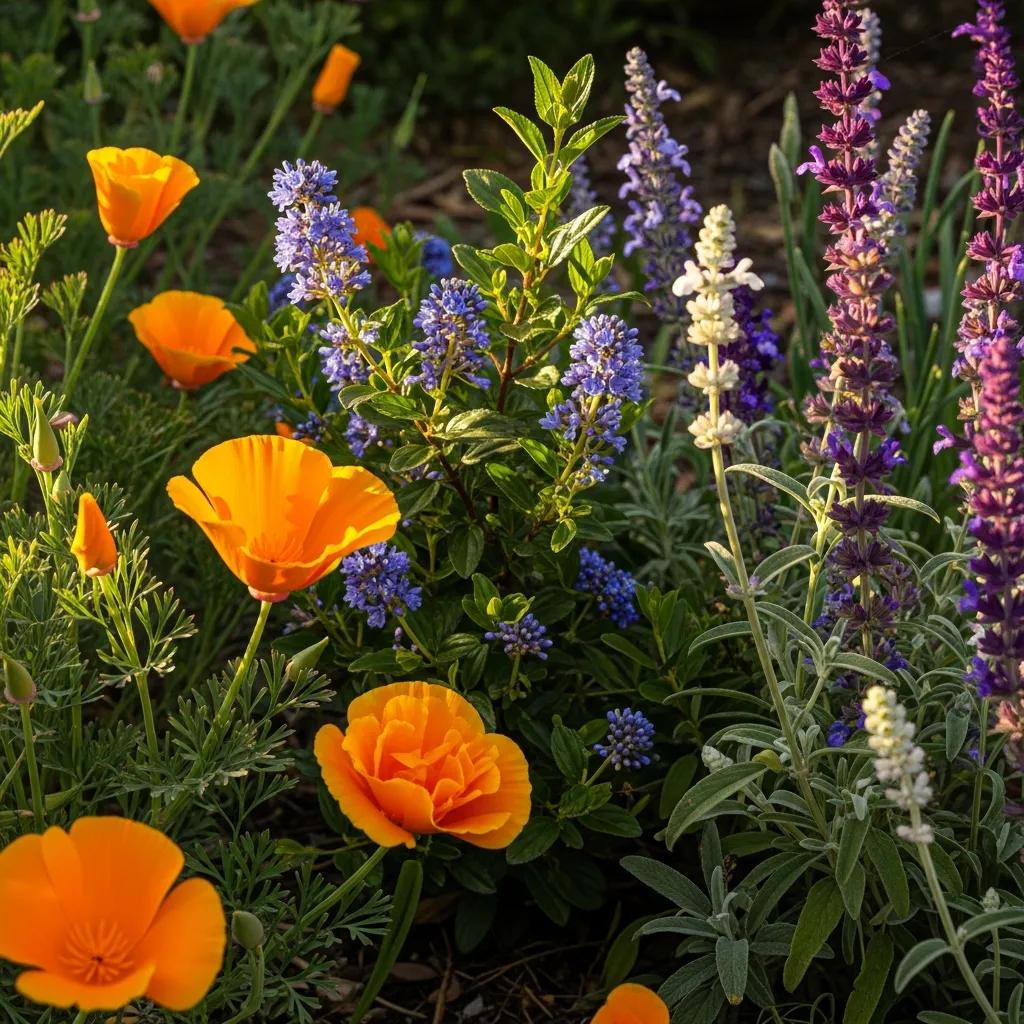
Drought-tolerant plants are essential for sustainable landscaping in Orange County, where water conservation is crucial. These plants are adapted to thrive in arid conditions, making them ideal for eco-friendly gardens.
What Are the Best Native Plants for Water-Wise Gardens in Southern California?
Some of the best native plants for water-wise gardens in Southern California include:
- California Poppy: This vibrant flower is not only beautiful but also drought-resistant, making it a perfect addition to any garden.
- California Lilac (Ceanothus): Known for its colorful blooms, California Lilac thrives in dry conditions and attracts pollinators.
- Sage: Various species of sage are native to California and are well-suited for low-water gardens.
These plants not only conserve water but also support local wildlife by providing food and habitat.
How Do Drought-Resistant Plants Support Xeriscape Design Principles?
Drought-resistant plants play a crucial role in xeriscaping, a landscaping method that emphasizes water conservation. By incorporating these plants into garden designs, homeowners can create visually appealing landscapes that require minimal irrigation. Xeriscaping also involves grouping plants with similar water needs, reducing overall water consumption and promoting healthier plant growth.
How Can Homeowners Implement Smart Water Conservation Techniques?
Implementing smart water conservation techniques is vital for sustainable landscaping. Homeowners can adopt various strategies to minimize water usage while maintaining healthy gardens.
What Are the Benefits of Drip Irrigation and Smart Controllers?
Drip irrigation systems deliver water directly to the roots of plants, significantly reducing water waste. This method ensures that plants receive the right amount of moisture without overwatering. Additionally, smart controllers can optimize irrigation schedules based on weather conditions and soil moisture, further enhancing water efficiency and reducing costs.
How Does Rainwater Harvesting Complement Sustainable Landscaping?
Rainwater harvesting is an effective way to supplement irrigation needs in sustainable landscaping. By collecting rainwater from roofs and directing it to storage tanks, homeowners can utilize this resource for watering their gardens. This practice not only conserves municipal water supplies but also reduces runoff and erosion.
What Eco-Friendly Hardscaping Solutions Support Sustainable Outdoor Spaces?
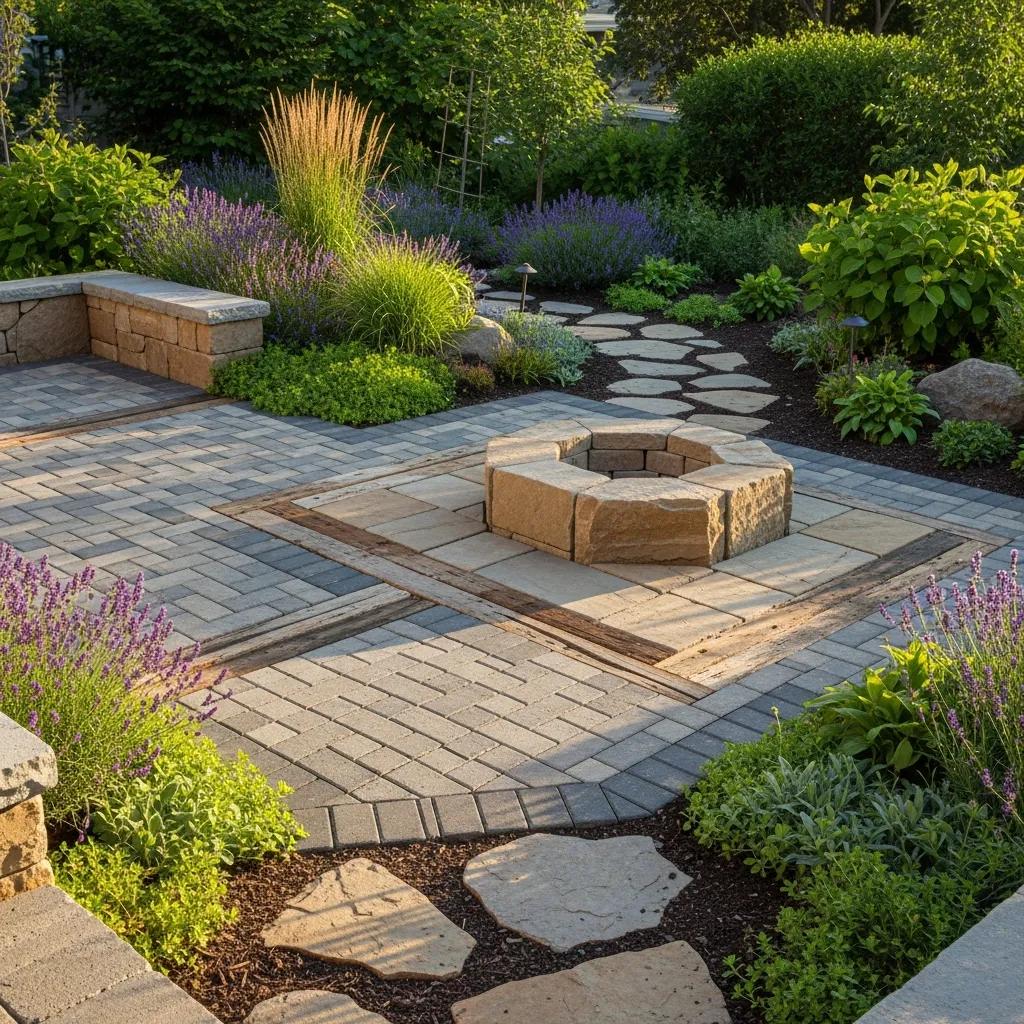
Hardscaping is an essential component of sustainable landscaping, providing structure and functionality to outdoor spaces. Eco-friendly hardscaping solutions can significantly reduce environmental impact while enhancing the beauty of gardens.
How Do Permeable Pavers and Sustainable Materials Reduce Environmental Impact?
Permeable pavers allow water to infiltrate the ground, reducing runoff and promoting groundwater recharge. By using sustainable materials, such as recycled concrete, reclaimed wood, or natural stone, homeowners can create durable hardscapes that minimize their ecological footprint. These materials not only enhance the aesthetic appeal of outdoor spaces but also contribute to a healthier environment.
The importance of permeable pavements in managing stormwater and preventing contamination is further emphasized by research.
Permeable Pavement for California Stormwater Management
interest in permeable pavement for stormwater management. Permeable pavements have been identified as part of low-impact development to reduce and prevent stormwater contamination of rivers.
Fully permeable pavement for stormwater management: Progress and obstacles to implementation in California, J Harvey, 2017
What Design Strategies Integrate Hardscaping with Water Management?
Effective design strategies can integrate hardscaping with water management techniques. For example, creating rain gardens or bioswales can help manage stormwater runoff while providing attractive landscaping features. By incorporating these elements into hardscaping designs, homeowners can enhance the functionality of their outdoor spaces while promoting sustainability.
How Do Organic Lawn Care and Natural Pest Management Promote Garden Health?
Organic lawn care and natural pest management are essential for maintaining healthy gardens without harmful chemicals. These practices support biodiversity and contribute to a more sustainable environment.
What Are Effective Organic Fertilizers and Composting Practices?
Using organic fertilizers, such as compost or well-rotted manure, enriches the soil without introducing synthetic chemicals. Composting kitchen scraps and yard waste not only reduces landfill waste but also provides nutrient-rich material for gardens. This practice enhances soil health and promotes robust plant growth.
How Can Natural Pest Control Enhance Biodiversity in Orange County Gardens?
Natural pest control methods, such as introducing beneficial insects or using organic repellents, can effectively manage pests without harming the ecosystem. By fostering a diverse garden environment, homeowners can attract pollinators and other beneficial organisms that contribute to a balanced ecosystem.
How Does Roth Landscaping Support Sustainable Landscaping for Orange County Homes?
Roth Landscaping is dedicated to promoting sustainable landscaping practices in Orange County. The company offers a range of services designed to help homeowners create eco-friendly outdoor spaces that thrive.
What Expertise and Services Does Roth Landscaping Offer for Eco-Friendly Gardens?
Roth Landscaping provides expert guidance on selecting native plants, implementing efficient irrigation systems, and designing sustainable landscapes. Their team is knowledgeable about the unique challenges of landscaping in Southern California and can help homeowners make informed decisions that benefit both their gardens and the environment.
How Can Homeowners Access Local Rebates and Professional Consultations?
Homeowners interested in sustainable landscaping can access local rebates for water-efficient upgrades and professional consultations through Roth Landscaping. These resources can help offset costs and encourage the adoption of eco-friendly practices, making it easier for homeowners to create beautiful, sustainable gardens.
Frequently Asked Questions
What are some common mistakes to avoid when starting a sustainable landscape project?
When starting a sustainable landscape project, homeowners often overlook the importance of planning. Common mistakes include selecting non-native plants that require more water, failing to assess soil quality, and neglecting to create a proper irrigation plan. Additionally, not considering the local climate can lead to poor plant choices. It’s essential to research and understand the specific needs of your environment to ensure a successful and sustainable landscape that thrives with minimal maintenance.
How can I maintain my sustainable garden throughout the year?
Maintaining a sustainable garden involves regular monitoring and care. Homeowners should establish a seasonal maintenance routine that includes pruning, mulching, and checking for pests. Utilizing organic fertilizers and compost can enhance soil health. Additionally, adjusting irrigation schedules based on seasonal rainfall and plant growth is crucial. Engaging in seasonal planting can also ensure that your garden remains vibrant and supports local wildlife throughout the year.
What role do local wildlife play in sustainable landscaping?
Local wildlife plays a vital role in sustainable landscaping by contributing to ecosystem balance. Pollinators, such as bees and butterflies, help with plant reproduction, while birds can control pest populations. By incorporating native plants that attract these species, homeowners can create a thriving habitat that supports biodiversity. Additionally, a diverse garden can enhance soil health and improve water retention, further promoting sustainability in landscaping practices.
Are there specific certifications for sustainable landscaping practices?
Yes, there are several certifications for sustainable landscaping practices that homeowners can pursue. Programs like the Sustainable Sites Initiative (SITES) and the Landscape for Life certification provide guidelines and standards for eco-friendly landscaping. These certifications focus on practices that promote environmental health, such as water conservation, soil management, and biodiversity. Obtaining such certifications can enhance the credibility of your landscaping efforts and demonstrate a commitment to sustainability.
How can I educate myself further about sustainable landscaping techniques?
Educating yourself about sustainable landscaping techniques can be achieved through various resources. Local extension services, gardening clubs, and workshops often provide valuable information and hands-on experience. Online courses and webinars from reputable organizations can also enhance your knowledge. Additionally, reading books and articles on sustainable gardening practices can offer insights into effective techniques and the latest trends in eco-friendly landscaping.
What are the long-term benefits of investing in sustainable landscaping?
Investing in sustainable landscaping offers numerous long-term benefits, including reduced water and maintenance costs, increased property value, and enhanced environmental health. Sustainable landscapes can improve air quality, support local wildlife, and promote biodiversity. Over time, these practices can lead to healthier soil and reduced reliance on chemical fertilizers and pesticides, creating a more resilient garden that thrives with minimal intervention.