Top Benefits of Artificial Grass for Orange County Homeowners: Cost, Care, and Lifestyle Advantages
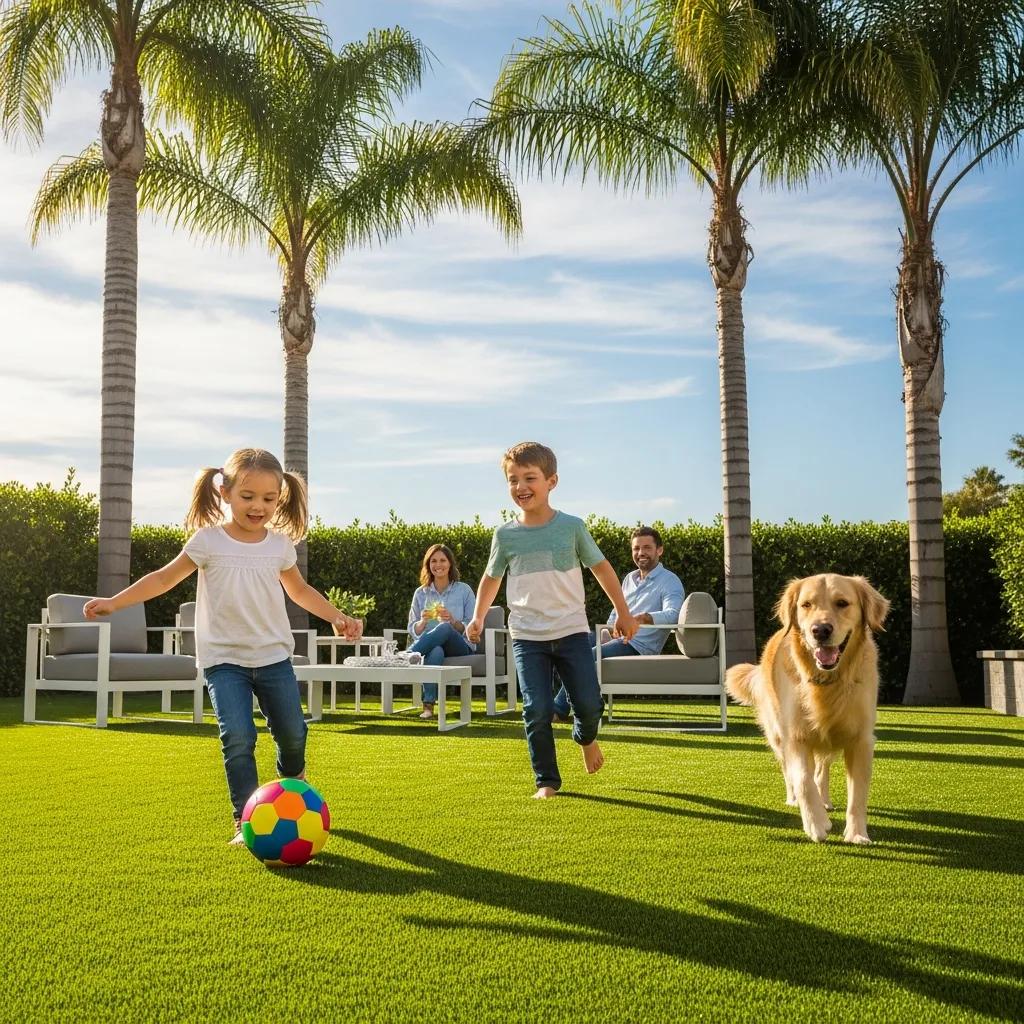
Artificial grass has become an increasingly popular choice for homeowners in Orange County, offering a range of benefits that cater to the unique climate and lifestyle of the region. This article explores the top advantages of artificial grass, including its cost-effectiveness, low maintenance requirements, and positive impact on the environment. Homeowners often face challenges such as water scarcity and high maintenance costs associated with natural lawns. Artificial grass presents a viable solution, providing a lush, green landscape without the associated hassles. We will delve into how artificial grass saves water, the cost considerations for installation, its suitability for families with pets and children, maintenance benefits, and its environmental advantages.
How Does Artificial Grass Save Water in Drought-Prone Orange County?
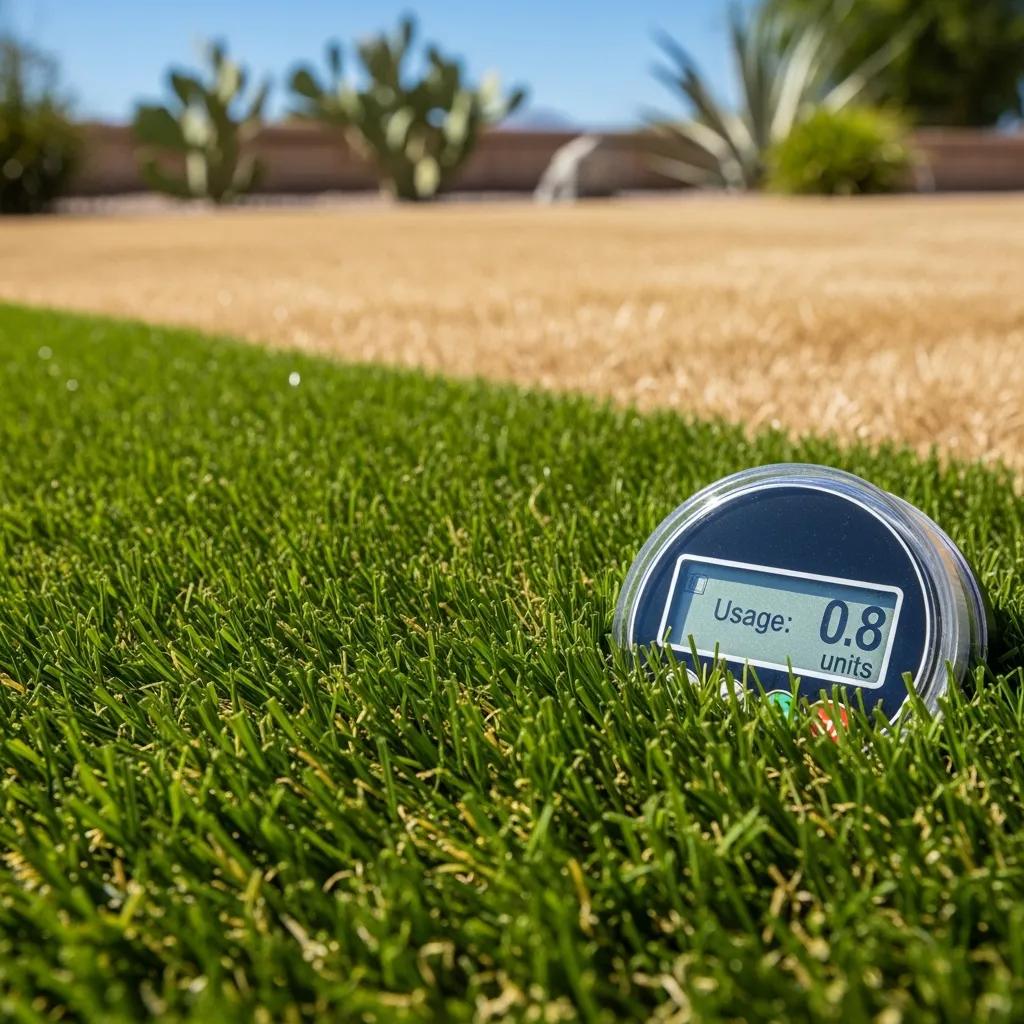
Artificial grass is an effective solution for water conservation, especially in drought-prone areas like Orange County. By replacing natural grass with synthetic turf, homeowners can significantly reduce their water usage. This is particularly important given California’s ongoing water shortages and the need for sustainable landscaping solutions.
What Makes Synthetic Turf a Drought Tolerant Landscaping Solution?
Synthetic turf is designed with materials that do not require watering, making it an ideal drought-tolerant landscaping solution. Unlike natural grass, which needs regular irrigation to thrive, artificial grass maintains its appearance without any water. The materials used in synthetic turf, such as polyethylene and polypropylene, are engineered to withstand the elements while providing a realistic look and feel. This durability ensures that homeowners can enjoy a vibrant lawn year-round without the environmental impact of excessive water use.
How Much Water Can Homeowners Save with Artificial Grass?
Homeowners can save a substantial amount of water by switching to artificial grass. On average, a household can reduce its outdoor water consumption by about 55 gallons per square foot annually. This translates to significant savings on water bills and contributes to the overall conservation efforts in the region. By choosing artificial grass, homeowners not only enhance their outdoor aesthetics but also play a crucial role in addressing California’s water crisis.
What Are the Cost Considerations for Artificial Grass Installation in Orange County?
When considering artificial grass installation, homeowners should evaluate both the initial costs and the long-term savings. While the upfront investment may be higher than natural grass, the long-term benefits often outweigh these costs.
How Does Artificial Grass Cost Compare to Natural Grass Over Time?
The initial installation cost of artificial grass can range from $8 to $20 per square foot, depending on the quality and type of turf selected. However, over time, homeowners can save significantly on maintenance costs, including watering, mowing, and fertilizing. In fact, studies show that homeowners can save thousands of dollars over the lifespan of the turf, which can last 15-20 years with proper care. This cost-effectiveness makes artificial grass a smart investment for many homeowners.
Experts have further analyzed the long-term financial implications, highlighting the significant savings artificial turf offers compared to natural grass.
Artificial vs. Natural Turf: Cost-Effectiveness & Long-Term Impacts
They also shared their experiences and professional opinions on the cost-effectiveness of different types of turf and the potential long-term impacts of each option. Engineers provided
Artificial Turf Versus Natural Grass: A Case Study of Environmental Effects, Health Risks, Safety, and Cost, 2025
Are There Any Rebates or Incentives for Synthetic Turf in California?
California offers various rebates and incentives for homeowners who choose to install synthetic turf. Programs such as the Metropolitan Water District’s turf replacement program provide financial assistance to encourage water-saving landscaping practices. Homeowners can receive rebates of up to $3 per square foot for replacing natural grass with artificial turf, making the transition more affordable and appealing.
Further supporting the financial benefits, various programs actively encourage the adoption of artificial turf for water conservation.
California Turf Replacement Rebates for Water Conservation
California offered its retail customers an opportunity to participate in a rebate program to replace their turf. This subjective approach at how the turf rebate program affected the neighborhood.
Just for the turf of it: turf replacement as a water conservation tool, 2019
Why Is Artificial Grass a Pet-Friendly and Kid-Safe Option for Orange County Homes?
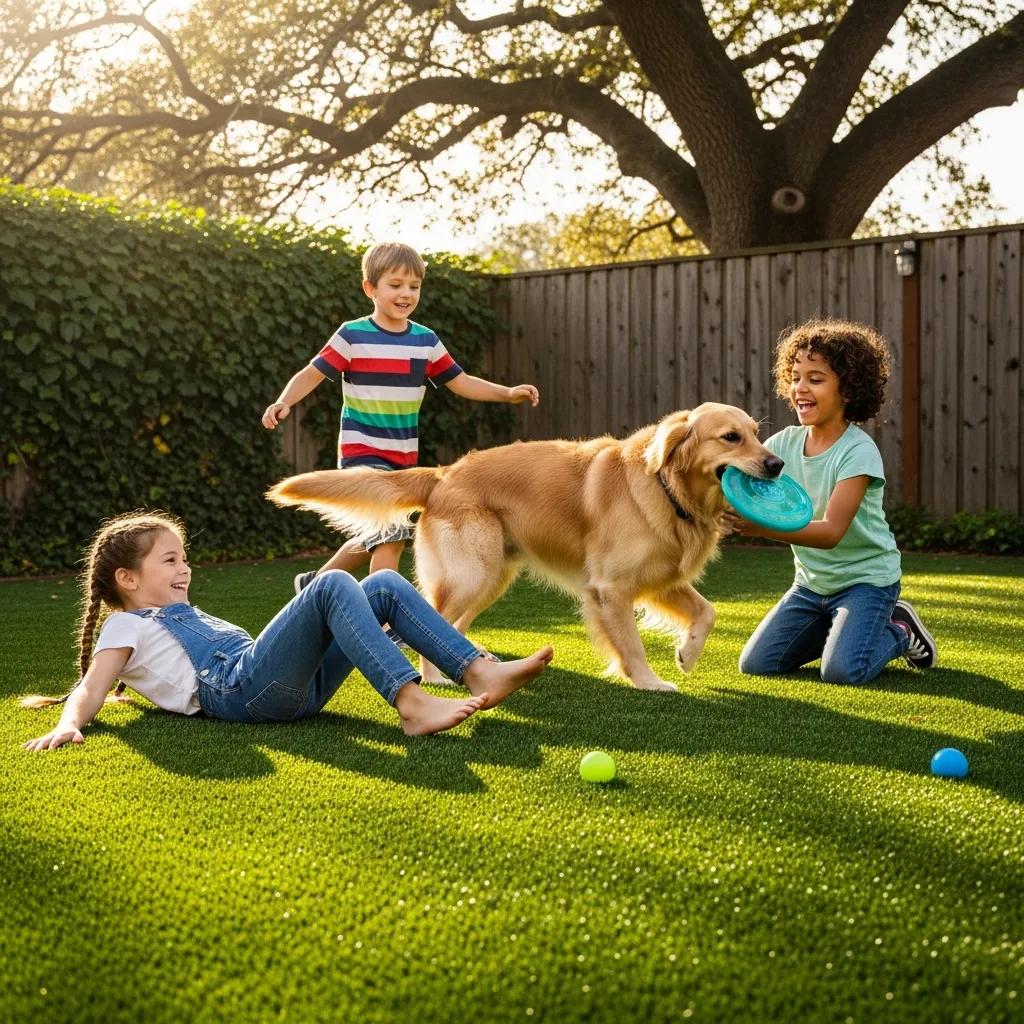
Artificial grass is not only aesthetically pleasing but also a safe option for families with pets and children. Its design incorporates features that enhance safety and comfort for outdoor play.
What Features Make Synthetic Turf Safe for Pets and Children?
Synthetic turf is made from non-toxic materials, ensuring that it is safe for pets and children to play on. The surface is soft and cushioned, reducing the risk of injuries during play. Additionally, many artificial grass products are designed with drainage systems that allow for easy cleaning and maintenance, making it a hygienic choice for families.
How Does Artificial Grass Improve Outdoor Play Areas for Families?
Artificial grass enhances outdoor play areas by providing a durable surface that can withstand heavy foot traffic and play. Its resilience means that families can enjoy their outdoor spaces without worrying about muddy patches or dead grass. This durability also translates to less maintenance, allowing families to spend more time enjoying their yards rather than working on them.
How Does Artificial Grass Provide Low Maintenance Benefits for Orange County Homeowners?
One of the most significant advantages of artificial grass is its low maintenance requirements. Homeowners can enjoy a beautiful lawn without the time and effort typically associated with natural grass.
What Are the Cleaning and Upkeep Requirements for Synthetic Turf?
Maintaining artificial grass is straightforward and requires minimal effort. Regular brushing and occasional rinsing are usually sufficient to keep the turf looking fresh. Unlike natural grass, there is no need for mowing, fertilizing, or pest control, which saves homeowners both time and money. Seasonal maintenance may include checking for debris and ensuring proper drainage, but overall upkeep is significantly less demanding.
How Durable Is Artificial Grass Against UV Exposure and Weather?
Artificial grass is engineered to withstand various weather conditions, including intense UV exposure. High-quality synthetic turf is treated with UV stabilizers to prevent fading and degradation over time. This durability ensures that the lawn remains vibrant and functional, regardless of the weather, making it an ideal choice for the sunny climate of Orange County.
What Environmental Benefits Does Artificial Grass Offer Compared to Natural Lawns?
Choosing artificial grass over natural lawns provides several environmental benefits that contribute to a more sustainable future.
How Does Synthetic Turf Reduce the Need for Pesticides and Fertilizers?
One of the key environmental advantages of artificial grass is the reduction in the need for pesticides and fertilizers. Natural lawns often require chemical treatments to maintain their health and appearance, which can have detrimental effects on local ecosystems. In contrast, synthetic turf eliminates the need for these chemicals, promoting a healthier environment for both families and wildlife.
A detailed comparative analysis further underscores the positive environmental impact of choosing artificial turf.
Comparing Environmental Footprint of Artificial vs. Natural Turf
Environmental Footprint (PEF) approach in a comparative analysis of the environmental performances of a football field for 11 players made with natural turf and one made with artificial turf with used tyres as infill.
The product environmental footprint approach to compare the environmental performances of artificial and natural turf, C Russo, 2022
What Is the Impact of Artificial Grass on Local Ecosystems and Allergies?
Artificial grass can positively impact local ecosystems by reducing water runoff and soil erosion. Additionally, it can help alleviate allergy symptoms for residents, as it does not produce pollen like natural grass. This makes artificial grass a suitable option for families with allergy sufferers, providing a safe and enjoyable outdoor space.
| Cost Consideration | Initial Investment | Long-Term Savings | Environmental Impact |
|---|---|---|---|
| Artificial Grass | $8 – $20/sq ft | Up to $2,000+ | Reduced water usage |
| Natural Grass | $1 – $3/sq ft | Higher maintenance | Chemical runoff |
In conclusion, artificial grass offers numerous advantages for homeowners in Orange County, including water conservation, cost savings, safety for families, low maintenance, and environmental benefits. By making the switch to synthetic turf, homeowners can enjoy a beautiful, functional outdoor space that aligns with sustainable practices and enhances their quality of life.
Frequently Asked Questions
What is the lifespan of artificial grass, and how does it compare to natural grass?
Artificial grass typically has a lifespan of 15 to 20 years, depending on the quality of the materials and maintenance practices. In contrast, natural grass requires regular upkeep, including watering, mowing, and fertilizing, which can lead to wear and tear over time. While natural grass may need to be replaced or reseeded every few years, high-quality artificial turf can maintain its appearance and functionality for many years, making it a more durable option in the long run.
Can artificial grass be installed over existing natural grass?
Yes, artificial grass can be installed over existing natural grass, but proper preparation is essential. The natural grass should be cut short and the area leveled to ensure a smooth surface. It’s also important to remove any debris and ensure proper drainage to prevent water pooling. However, many homeowners choose to remove the natural grass entirely to avoid potential issues with pests or weeds. Consulting with a professional installer can help determine the best approach for your specific situation.
Is artificial grass safe for the environment?
Yes, artificial grass is considered safe for the environment. It reduces the need for harmful pesticides and fertilizers that can contaminate local ecosystems. Additionally, synthetic turf conserves water, which is crucial in drought-prone areas like Orange County. While there are concerns about the materials used in manufacturing artificial grass, many products are now made from recycled materials and are designed to be environmentally friendly, contributing to a more sustainable landscaping solution.
How does artificial grass affect property value?
Installing artificial grass can positively impact property value by enhancing curb appeal and reducing maintenance costs. Homebuyers often appreciate the low upkeep associated with synthetic turf, making properties with artificial grass more attractive. Additionally, the water conservation benefits can be appealing in regions facing drought conditions. However, the overall effect on property value can vary based on local market trends and buyer preferences, so it’s advisable to consider these factors when making a decision.
What are the best practices for maintaining artificial grass?
Maintaining artificial grass is relatively simple and requires minimal effort. Regular brushing helps keep the fibers upright and free from debris. Occasional rinsing with water can remove dust and pet waste, while checking for any accumulated debris ensures proper drainage. It’s also important to inspect the turf for any signs of damage or wear. Following these best practices will help maintain the appearance and longevity of your artificial grass, ensuring it remains a beautiful addition to your outdoor space.
Can artificial grass be recycled?
Yes, many types of artificial grass can be recycled, although the process may vary depending on the materials used. Some manufacturers offer take-back programs to recycle old turf, turning it into new products. Recycling artificial grass helps reduce landfill waste and promotes sustainability in landscaping. When considering artificial grass, it’s beneficial to inquire about the manufacturer’s recycling policies to ensure an environmentally responsible choice at the end of its lifespan.