
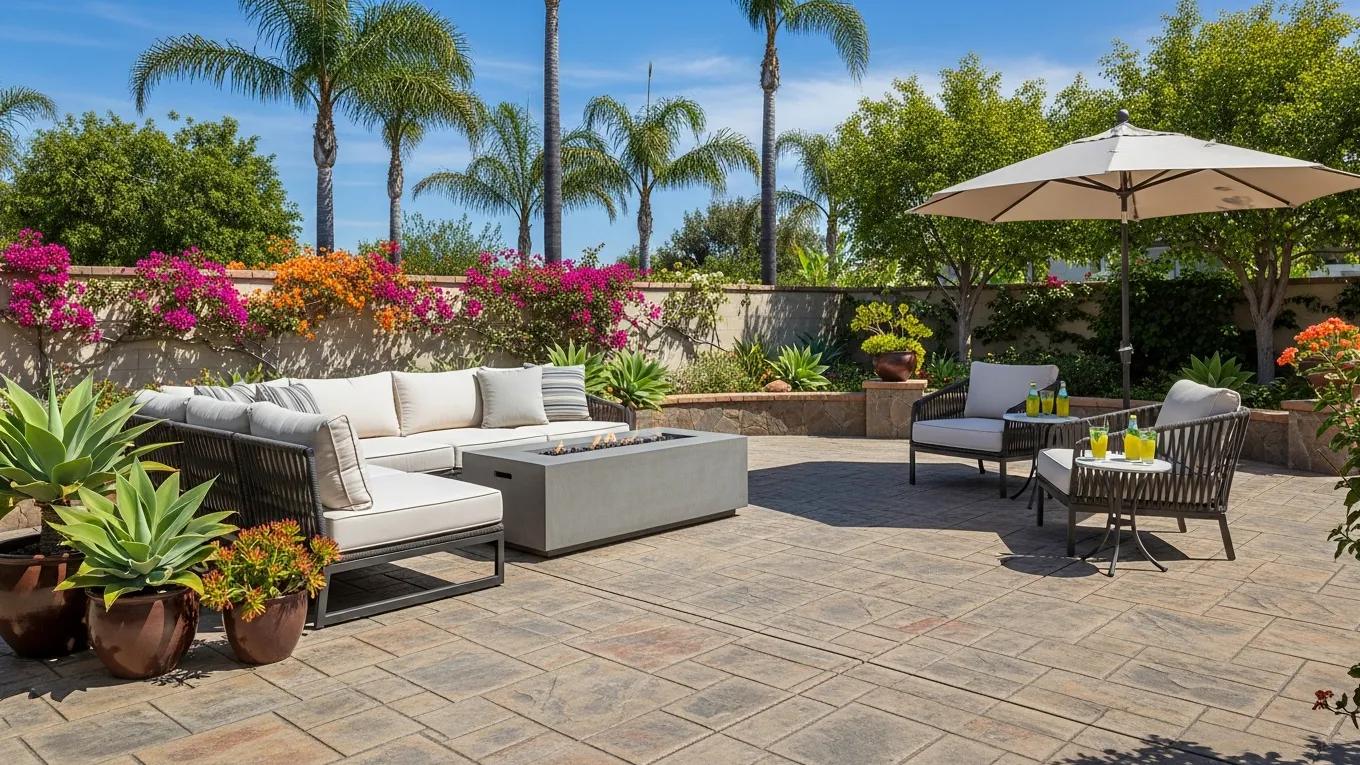
Concrete Hardscaping Projects That Work Best for Southern California Homes: Expert Designs and Installation
Concrete hardscaping is essential in Southern California, where the climate and lifestyle call for durable, attractive outdoor solutions. This article highlights top concrete projects—patios, walkways, driveways, and retaining walls—plus design choices, installation basics, and climate-appropriate options. With practical guidance and clear benefits, homeowners can plan hardscaping that improves function, curb appeal, and drought-conscious aesthetics.
Best Concrete Hardscaping Projects
Concrete hardscaping can boost both the function and appearance of outdoor areas. In Southern California, where outdoor living is common, these projects deliver lasting value and visual appeal.
Patios
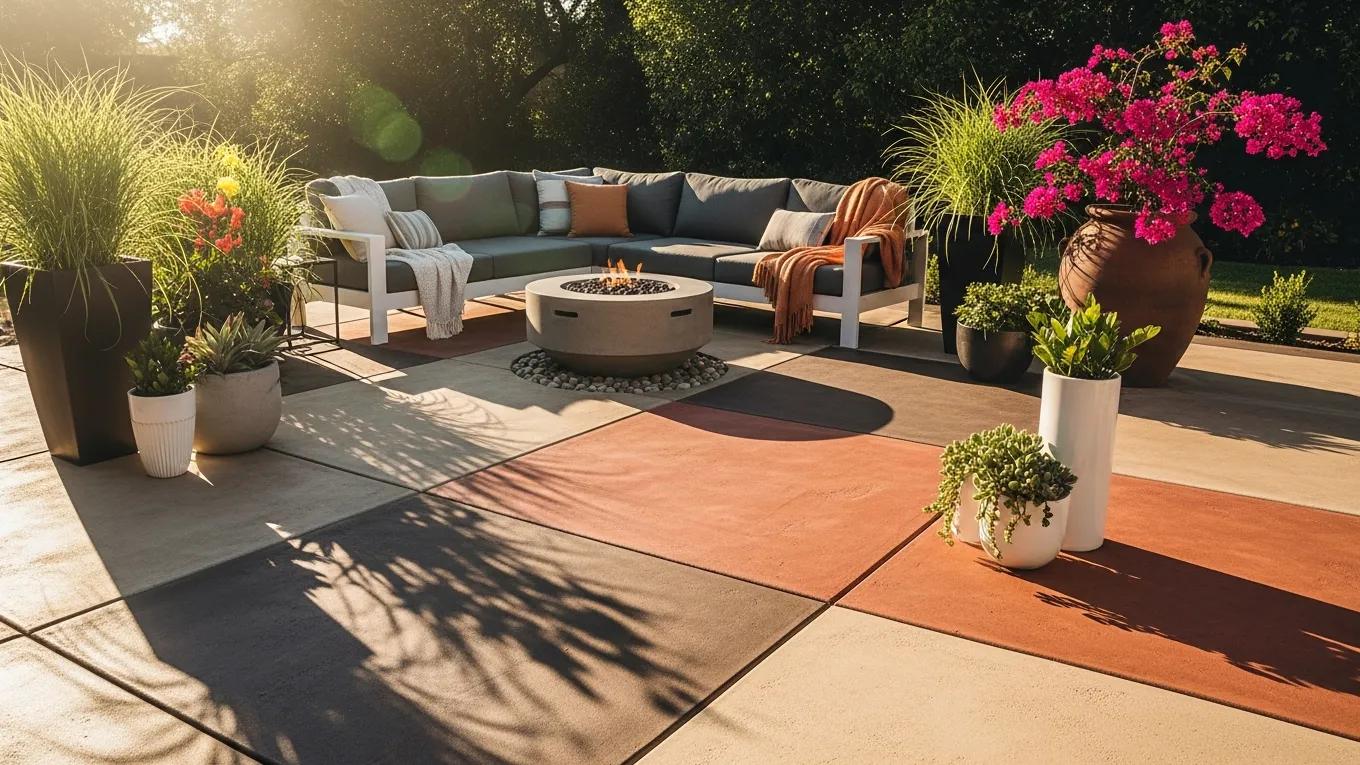
Patios extend usable living space and can be finished with stamped or stained concrete to mimic stone or introduce color. Proper base preparation, reinforcement, and sealing help patios resist cracking and weathering in the region’s climate. Well-executed patios become comfortable gathering areas that complement Southern California outdoor lifestyles.
Walkways
Concrete walkways improve curb appeal and create safe routes through yards. Curved paths, patterned surfaces, and subtle texturing add interest without heavy maintenance. Regular cleaning and correctly placed control joints reduce cracking and keep walkways looking neat.
Driveways
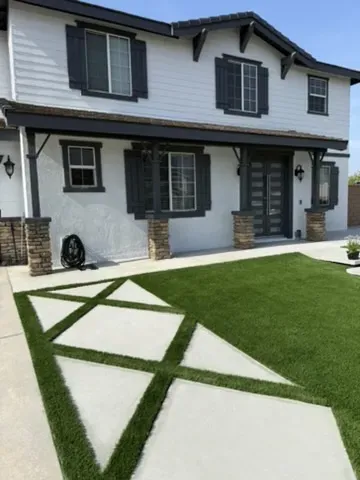
Driveways require durable finishes that handle vehicle traffic; exposed aggregate is a common choice for texture and longevity. Proper curing, reinforcement, and joint placement help prevent common issues and ensure the surface endures seasonal changes and regular use.
Retaining Walls
Retaining walls control slopes and erosion while providing decorative structure. Choose materials and finishes to match the home’s style and include adequate drainage to protect the wall’s integrity. Thoughtful design can turn necessary structure into a landscape focal point.
Expert Designs
Good hardscape design blends form and function: decorative finishes, compatible materials, and sustainable choices lift the look while meeting practical needs. Working with a professional can help integrate hardscaping with planting, lighting, and overall site flow.
Effective Installation Techniques
Successful installation begins with site preparation and quality materials. Reinforcement (rebar or wire mesh), proper base compaction, correct joint layout, and sealants all extend service life. Following these fundamentals reduces repairs and improves long-term performance.
Suitable Project Types Considering Climate and Aesthetics
Plan hardscaping with Southern California’s climate in mind: favor drought-tolerant plantings, low-maintenance surfaces, and materials that reflect heat appropriately. Permeable options and native-plant beds around concrete features help conserve water while maintaining attractive landscaping.
The importance of drought-tolerant landscaping in Southern California is underscored by ongoing environmental concerns.
Southern California Drought: Landscaping & Water Conservation
The environmental impacts of turf grass lawns are particularly important to consider in California, because of its unique Mediterranean climate and ongoing problems with chronic drought.While California is ideal for agriculture, recreation, and year-round living, the occurrence of drought is natural and not uncommon, evident in historical human and paleoclimate records. Drought impacts humans and wildlife including water scarcity, crop failure, water quality, reduced streamflow, and wetland availability. Diverting water from these critical sources for growing turf grass lawns is inappropriate and harmful.
Drought tolerant landscaping trends in Claremont, California, 2022
This table summarizes key features and benefits of common concrete hardscaping projects and how they improve outdoor spaces.
For those interested in enhancing their lawns, turf installation pairs well with hardscaping.
If you’re planning a hardscaping project, consider an experienced provider. Roth Landscaping offers services to support design and installation.
Frequently Asked Questions
What are the benefits of using stamped concrete for patios?
Stamped concrete replicates stone or brick at lower cost, with many color and pattern options. It’s durable and low-maintenance, and when sealed properly it resists fading and wear in Southern California’s climate.
How can I maintain my concrete hardscaping projects?
Routine cleaning, clearing debris, and reapplying sealant every few years keeps concrete protected. Promptly repair cracks, inspect joints, and address drainage or plant growth that could undermine surfaces.
What are the best materials for drought-tolerant landscaping in Southern California?
Use decomposed granite, permeable pavers, and native plants. These options reduce runoff, allow infiltration, and lower irrigation needs while preserving a natural look.
How do I choose the right design for my concrete driveway?
Match the driveway finish to your home’s style and site needs—exposed aggregate for texture and durability or stamped concrete for a decorative look. Consider traffic, drainage, and climate when selecting materials and layout.
What are the advantages of using retaining walls in landscaping?
Retaining walls prevent erosion, create level planting areas, and can become attractive landscape features. Proper drainage and construction are essential to long-term performance.
Are there eco-friendly options for concrete hardscaping?
Yes. Reclaimed concrete, eco-friendly aggregates, permeable concrete, and low-VOC sealants reduce environmental impact while improving drainage and reducing runoff.
What should I consider when hiring a contractor for hardscaping projects?
Check experience, portfolio, reviews, and that the contractor is licensed and insured. Ask for detailed estimates, timelines, and references, and confirm they communicate clearly about design and installation steps.